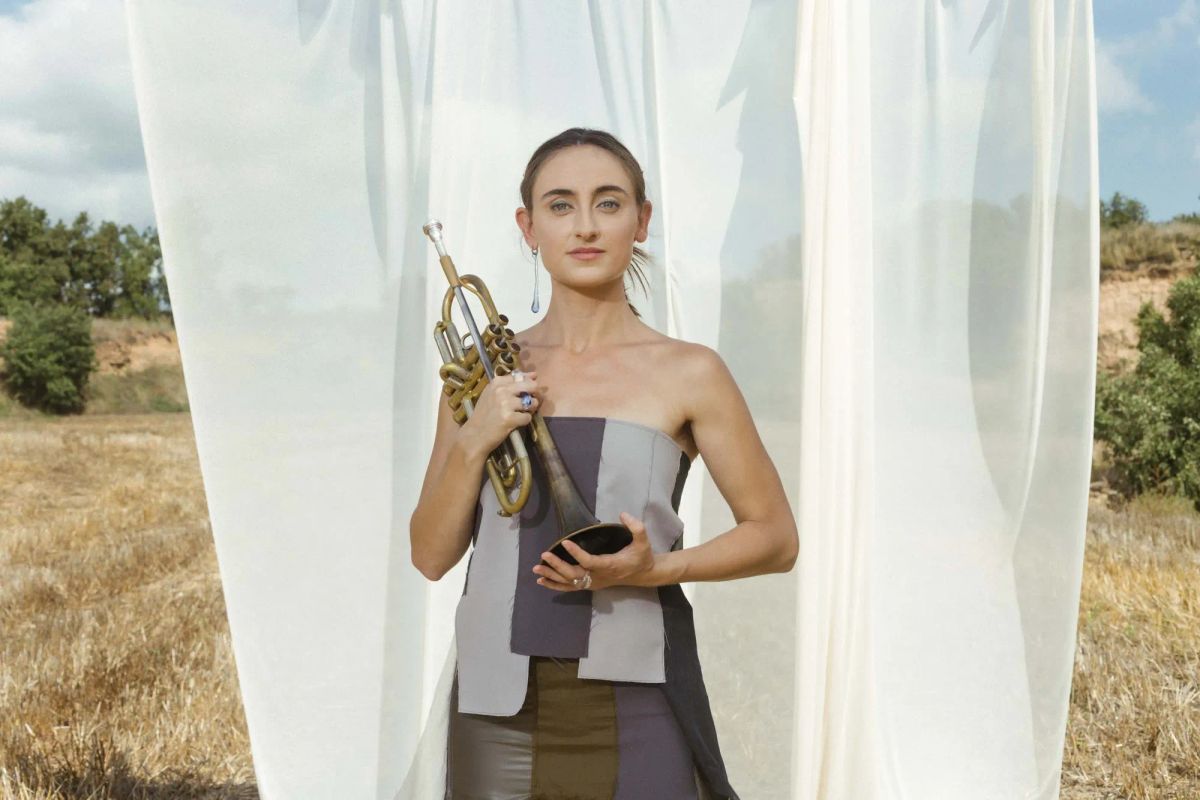
Alba Careta: Finding Beauty in the Thorns
From the first notes, one might think she was born with a gift for finding beauty in the unconventional. But this perspective didn’t appear overnight; it was forged in the chiaroscuro of daily life, honing a gaze that seeks strength in the sharpest edges. To her, the thistle is more than a mere weed to be avoided. In its thorns, she hears the beginning of a song.
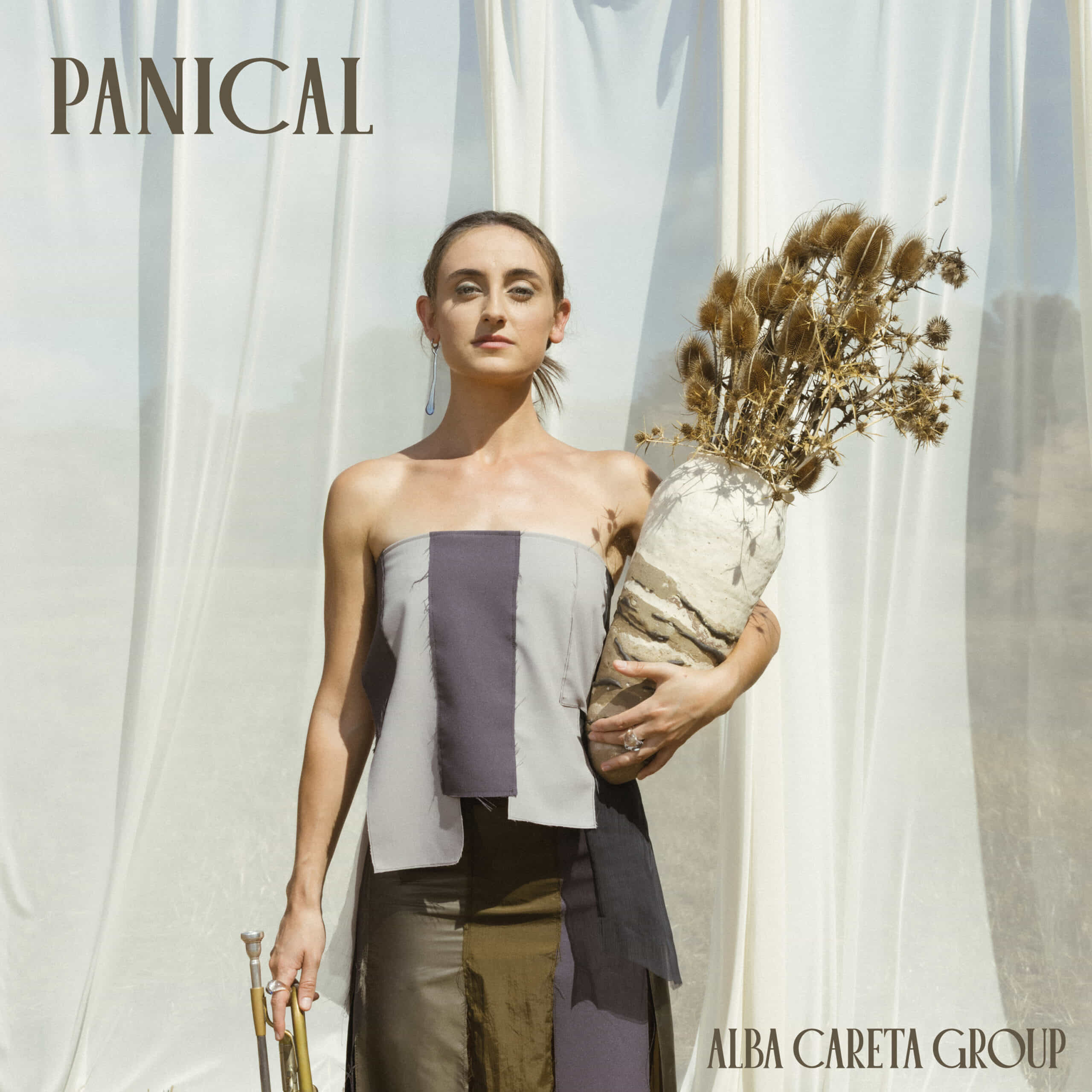
Some events leave marks that settle deep, impossible to dislodge. For her, the land where she was born is fundamental to understanding both her personal and artistic essence. “I wanted to dedicate this music to thistles. The thistle is a very prickly plant that grows abundantly here in Catalonia.” The words belong to Alba Careta Arnaus, on the occasion of the release of Panical, her fourth studio album. “In my town, Avinyó, we call someone a cardo—a thistle—to say they’re ugly. But to me, thistles aren’t ugly; they are simply different. They prick, and they are hard to hold.”
In her musical language, thistles emerge as a metaphor for what is different, uncomfortable, and often trampled. From this point on, panical is more than a type of thistle; it becomes a concept that unfolds through trumpet and voice. “With that idea in mind, I wanted to dedicate my music to all those women who are different, who sting, who have followed their own path and forged their identity with a beauty that exists outside traditional standards.”
This unconventional beauty demands a vessel capable of both sting and song. For Alba Careta, that vessel is an extension of her own breath—a metal instrument that requires the same resilience as the wild plants she honors. It is a dialogue that has spanned two decades, sustained by a discipline as exhausting as it is essential.
“The trumpet is an extension of my body and the medium through which I express my music and the sounds I hear in my head. I’ve been playing this instrument for 20 years, and I can’t conceive of a life without it,” she continues. “It is a very demanding tool that forces me to stay sharp every day. At the same time, it’s a love-hate relationship; I can’t go a week without playing. It’s like a partnership: when we understand each other well, it’s the ultimate high—the best thing I can have.”
The construction of Panical began with a duality: original compositions interwoven with new arrangements of existing pieces. As she moved through them, she found herself balancing two distinct voices.
“When singing, the lyrics condition you; it’s easier to transmit a concrete idea,” she explains, noting how words anchor emotion for the audience. “In contrast, the trumpet gives me the freedom of not being tied to a single feeling. I can branch out, evoke abstract sensations, and respond to what the audience and I are feeling in the moment. I love that freedom.” Yet it is within those more ‘conditioned’ moments of singing that her message becomes most direct, as she anchors her lyrics in a language that is itself a form of resistance.
The freedom of the trumpet finds its counterpoint in her deliberate choice of words. In a world that often favors a more ‘universal’ tongue, she roots her music in the soil of a minority language—a gesture shaped as much by heritage as by defiance. “Catalan is a minority language,” she observes, alluding to the long history of attempts to silence it. For her, bringing this voice to international jazz festivals is not just a matter of performance, but an act of reclamation. “It’s important to reclaim it so it can be heard elsewhere—so people know we have a rich history and a distinct musical identity. Giving it that space is essential.”
This act of reclamation meets different reactions depending on where she performs. At home, her choice is welcomed with a deep, collective pride—a shared recognition of its courage. Beyond those borders, the chiaroscuro of public opinion becomes more pronounced.
“In the rest of Spain, opinions are more divided,” she notes, pointing to the pressure to conform to a more accessible beauty. “Some think it would be prettier if I sang in Spanish, but that doesn’t make sense to me; Catalan is the language of my life and my roots.” Further afield, however—particularly on broader European stages—this refusal to compromise is often embraced as a vital cultural contribution.
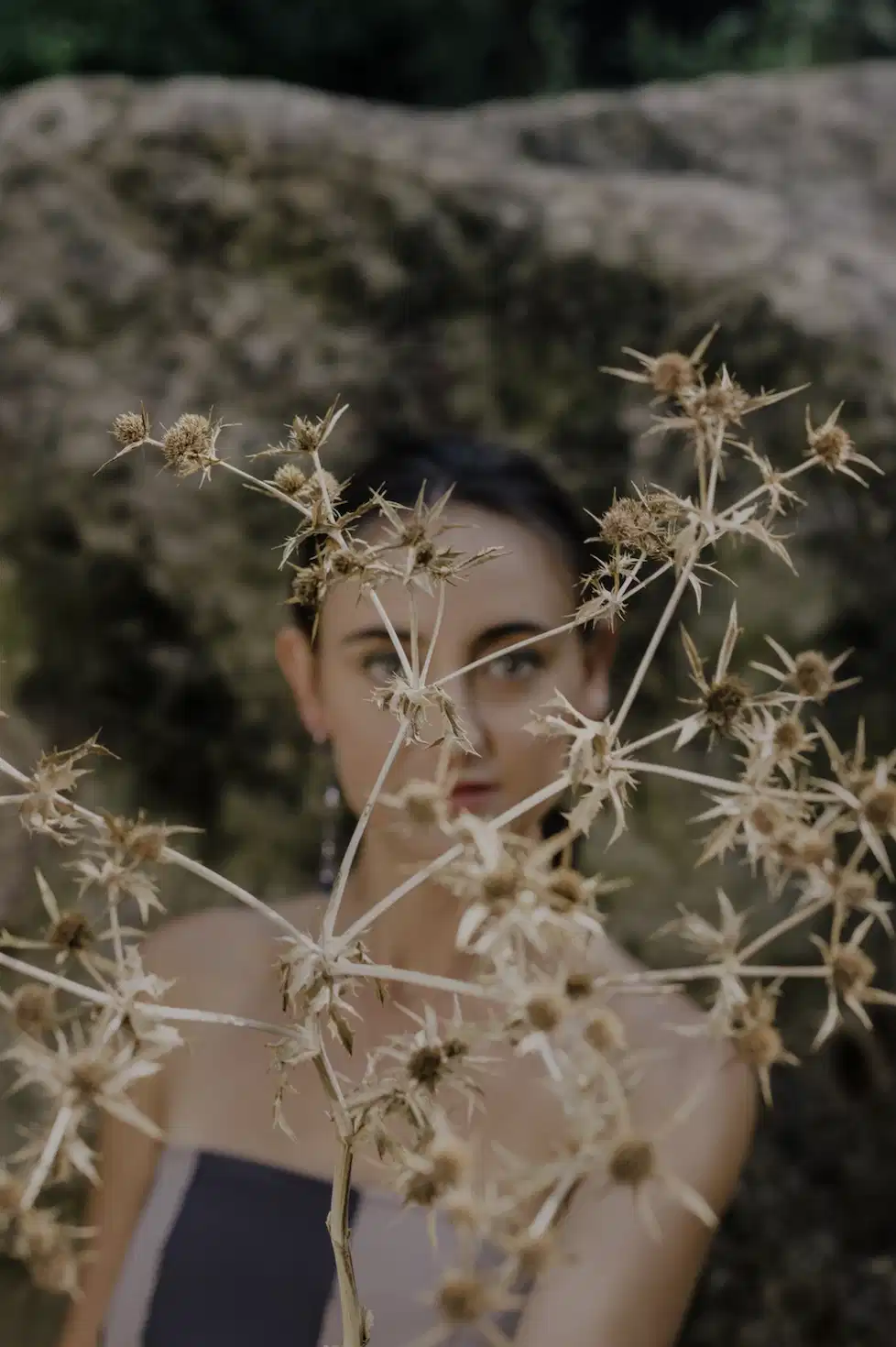
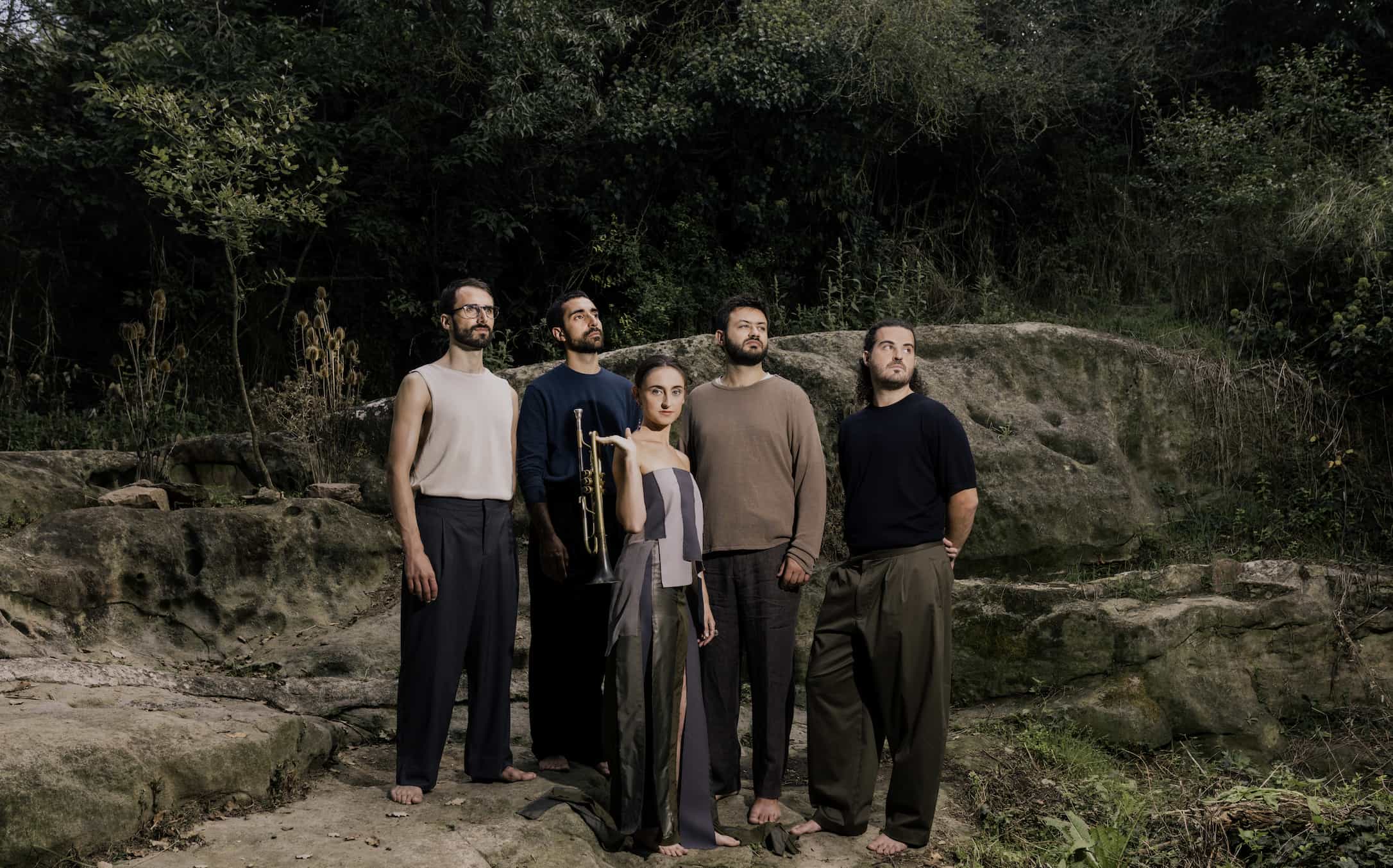
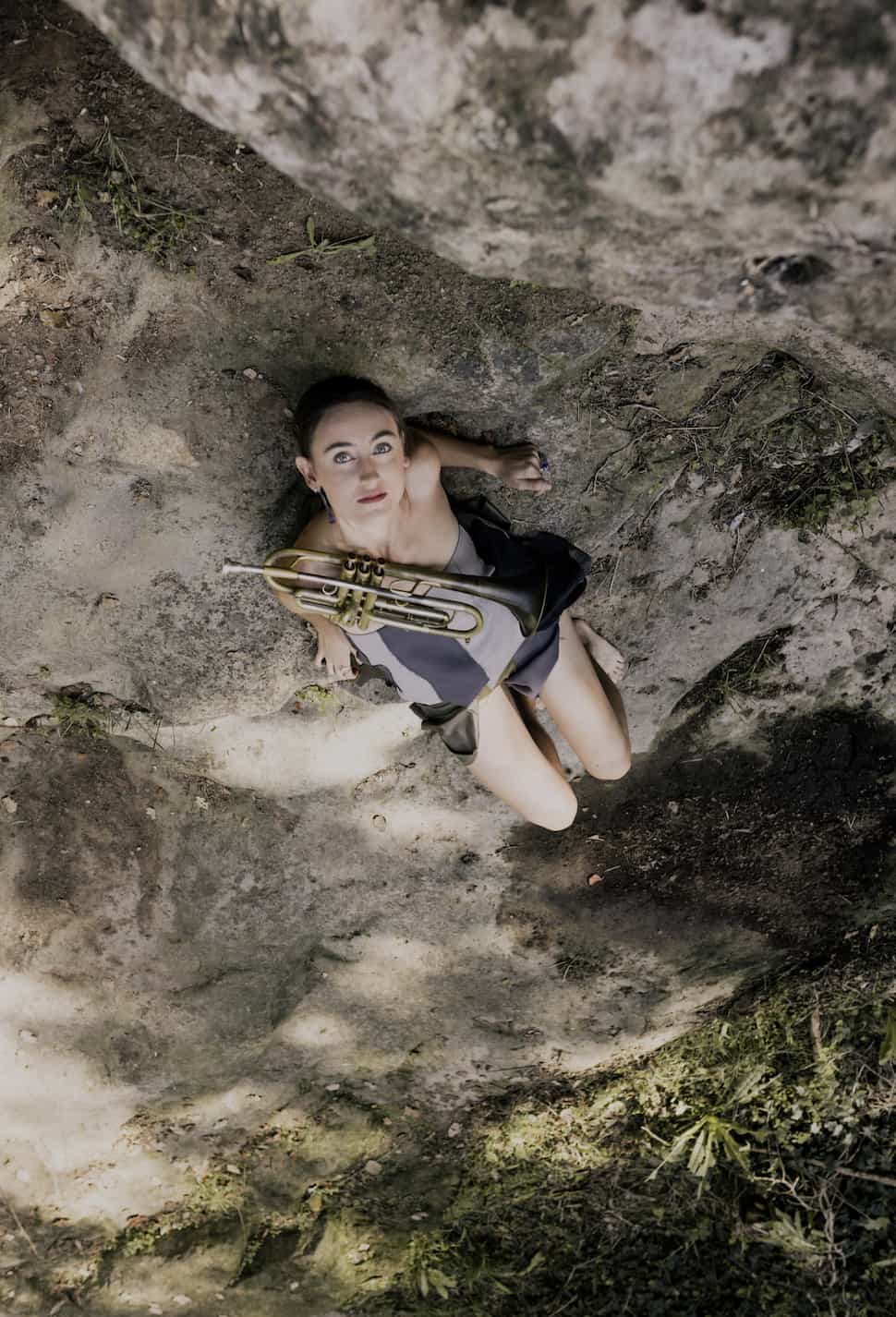
Photos by Sílvía Poch
Beyond the stage and the weight of history lies the quieter work of composition. For her, it is an exercise in vulnerability, where limited formal mastery becomes part of the creative process. “Writing at the piano creates a duality: I love it and hate it at the same time,” she admits. Without the safety net of technical perfection, she relies on a more instinctive compass. “I’m not the best at the piano, and that limits my technical resources, but I believe simplicity and intuition work better when you don’t academically master an instrument.” It becomes a process of surrender—trusting her intuition and the musicians around her to shape the piece before she carries it back to the familiar voice of her trumpet.
Within this collaborative space, her compositions take shape alongside a trusted circle: Lucas Martínez on tenor sax, Roger Santacana at the piano, Giuseppe Campisi on double bass, and Jordi Pallarés on drums and percussion. For this record, however, that circle expanded—welcoming a new presence in the studio whose sensitivity brought an unexpected clarity, helping refine the 'thorns' of each composition into their final form.
“Having Shai Maestro as a producer was a huge step forward; he put the final touches on the themes with his delicacy and experience. Having him in the studio was liberating; when you're recording, it's hard to decide whether a take works or if it's better to change the focus, but having someone with his criteria on the outside was a revelation.”
Jazz is a mutant genre—it adapts to the times and absorbs the present. It grants immense freedom.
This freedom is not merely abstract; it is the breath she channels through the trumpet to give voice to the unspoken. At times, that breath carries a heavier weight—one that turns toward realities many prefer to ignore. In the track Under Water, that weight comes to the surface.
“This song is dedicated to all the people who are left in the Mediterranean while trying to cross from Africa to our coasts in search of a better life. It is a very discordant reality: on one hand, people suffering and dying at sea, and on the other, tourists enjoying the sun on the beach. It’s something that touches me deeply.”
Performed in a small committee of saxophone and piano, the piece strips everything back, allowing the silence between notes to carry as much meaning as the sound itself.
The gaze that once found strength in wild plants reaches its full expression in sound. What begins in the thorns becomes an extension of her identity: a voice that does not smooth itself for comfort, that resists easy beauty, that insists on being heard on its own terms. In this space, she does more than play. She shapes a language—one rooted in difference, in risk, in the refusal to conform. It is a music that does not ask to be held gently, but to be listened to closely.
Like the thistles—and the women she honors—her music remains: singular, resilient, and impossible to ignore.