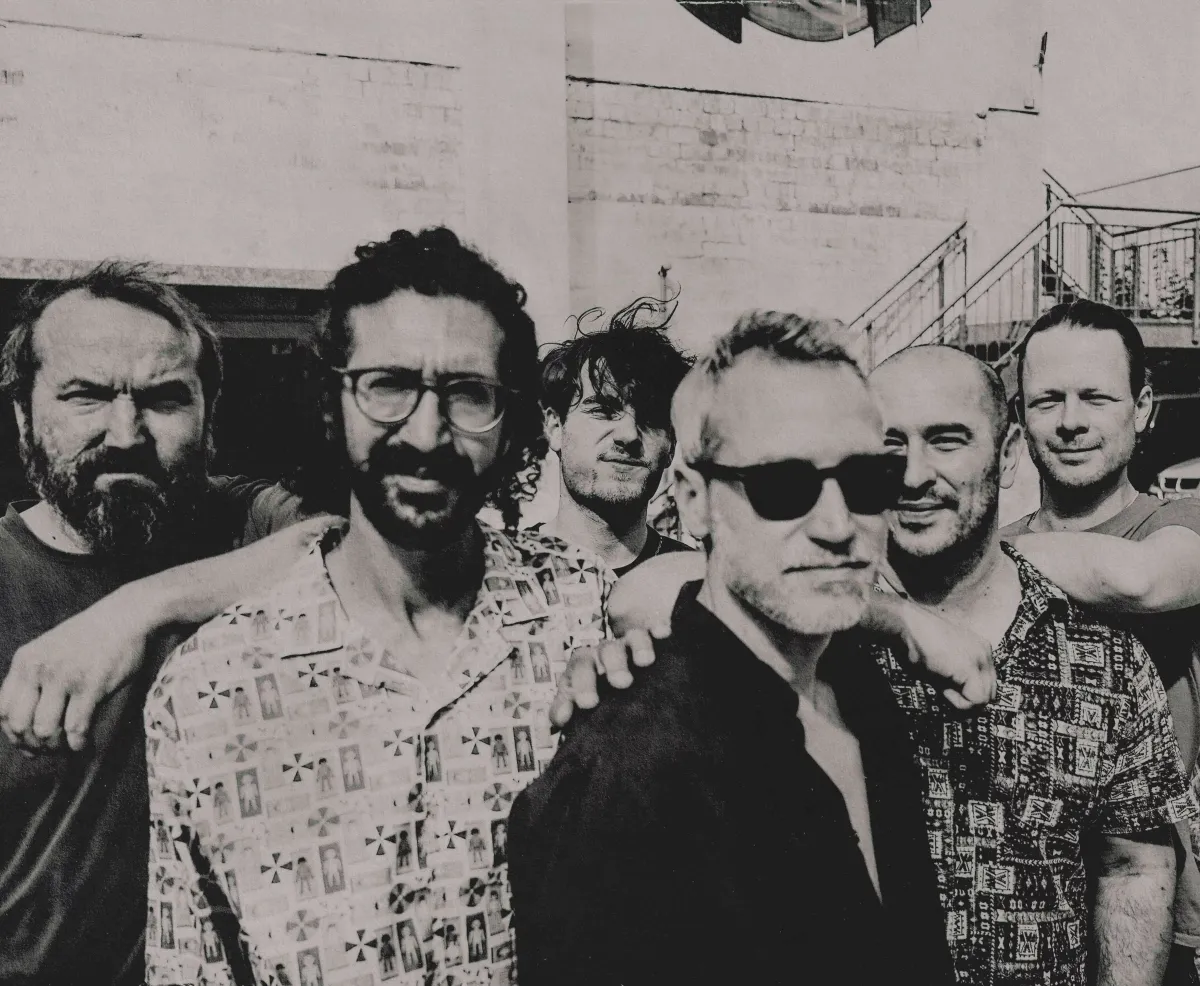
Kabasse: jazz, family, and the art of waiting
Suddenly, the tape recording captures everything you once dreamed of. Those melodies that have lived for years in the deepest corner of your head turn into a common language with the guys you now call a band. Time becomes pliable, and for a moment, the youngest version of you is playing mallets and the Fender Rhodes, like a scene that was always waiting to be recorded—the moment when inner sound finally finds its form.
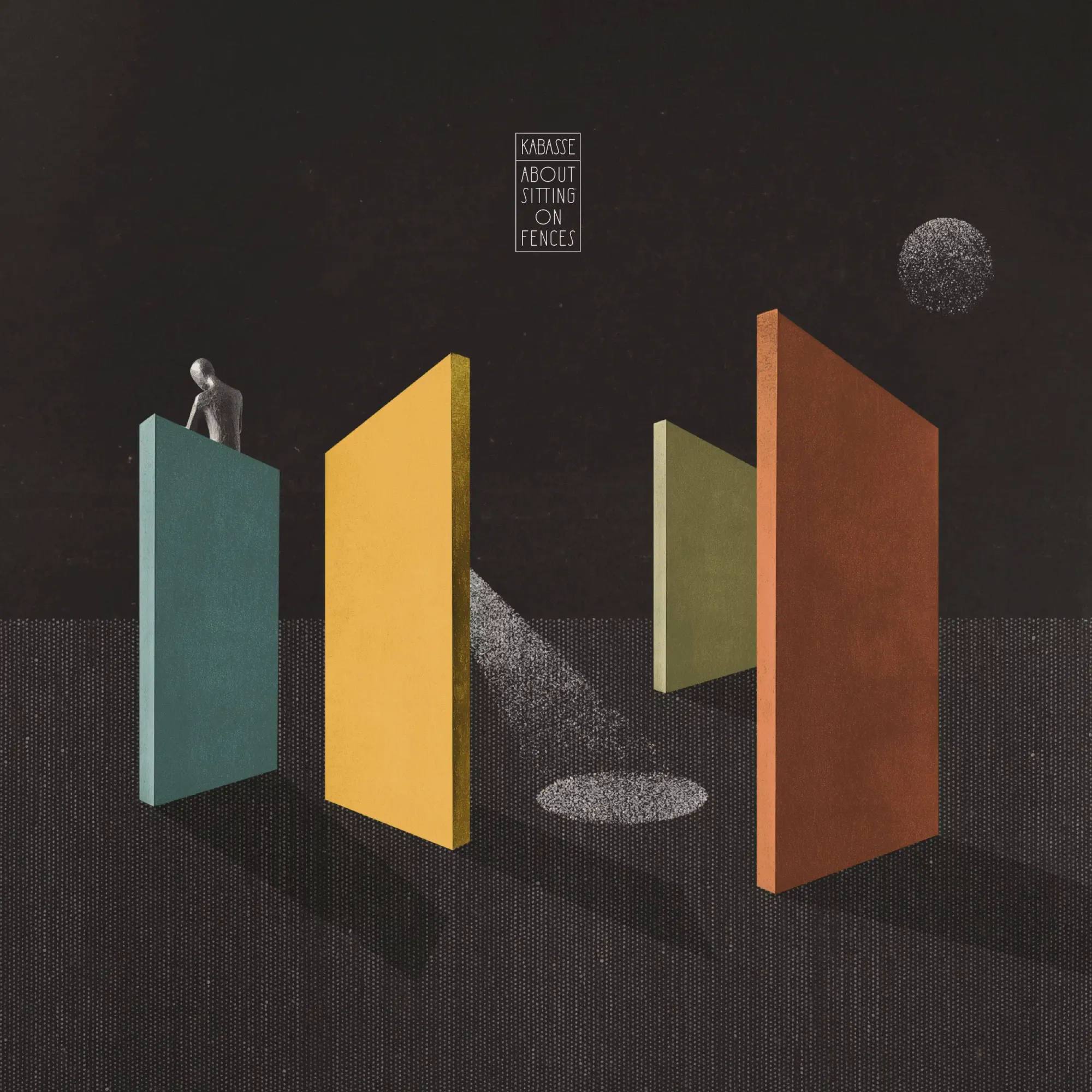
Not every record begins with a plan. Some begin as fragments that refuse to disappear. “Sometimes I sit at the piano and improvise. Most of it is rubbish, but sometimes there’s an idea. I try to keep it in my mind and come back to it the next day—maybe I still find it interesting, and it evolves.” A life spent accumulating musical ideas—or, as he calls himself, a sound fetishist—Sigmund Perner, the mind behind Kabasse. “I didn’t have a specific goal or plan at the beginning. I had many ideas in my head that had grown over time. One of the tracks we played at the release show dates back to when I was 17. These ideas stayed in my head, but I never wrote them down.”
If the ideas had been there for years, the question was how to give them form. For Sigmund Perner, the answer began with sound itself—its texture, its weight, its possibilities. "I’ve been playing piano for a very long time, but I’ve always been very interested in vintage instruments. When I was young, I listened a lot to ’70s bands. I became particularly obsessed with the Fender Rhodes for its distinctive sound and the many options it offers. In the end, it works like an electric guitar—you have a cable, an amp, and, in between, all kinds of effects to shape the sound.”
That search expanded into something larger: horns, layers, a palette that moves between the subtle and the massive—and, with it, the first real compositional problem worth solving.
“I wanted to work with horns because different instruments like trombone, sax, and trumpet, when blended, create a unique sound. You can make something very lyrical and refined, but also something very powerful. Playing with that was a special trigger for me.
That was the starting point: thinking, ‘If I have an idea in my head, how can I put it into horn sections?’ So the horns were the first thing I wrote down for the arrangements.”
But Kabasse is not just a sonic idea—it’s a collective one.
Built around a close circle of musicians, the project carries a personal weight, especially with his son on drums. What could have been a complication becomes something else entirely: a shared history translated into sound. “I’ve always wanted to do something with my son on drums because I love him and the way he plays. We jammed a lot when he was younger, and it was always a pleasure. Now he’s studying jazz drums in Munich. I always wondered if I could bring him on board, because it’s not the easiest thing—father and son in one band.”
The core of the album was captured live—musicians reacting in real time, building something together in the moment. Alongside Perner, Jonas Perner (drums), Giuseppe Puzzo (bass), Jan Kiesewetter (saxophone), Martin Lehmann (trumpet), and Benjamin Häußler (trombone). But the record didn’t stop there. Layers were added, textures expanded.
"For the record, we did many overdubs because I love mallet instruments like marimba and the glockenspiel, as well as vintage keyboard gear like the Hammond, the Solina, and the Clavinet. Instruments that, when run through electronic effects, offer a wide range of possibilities."
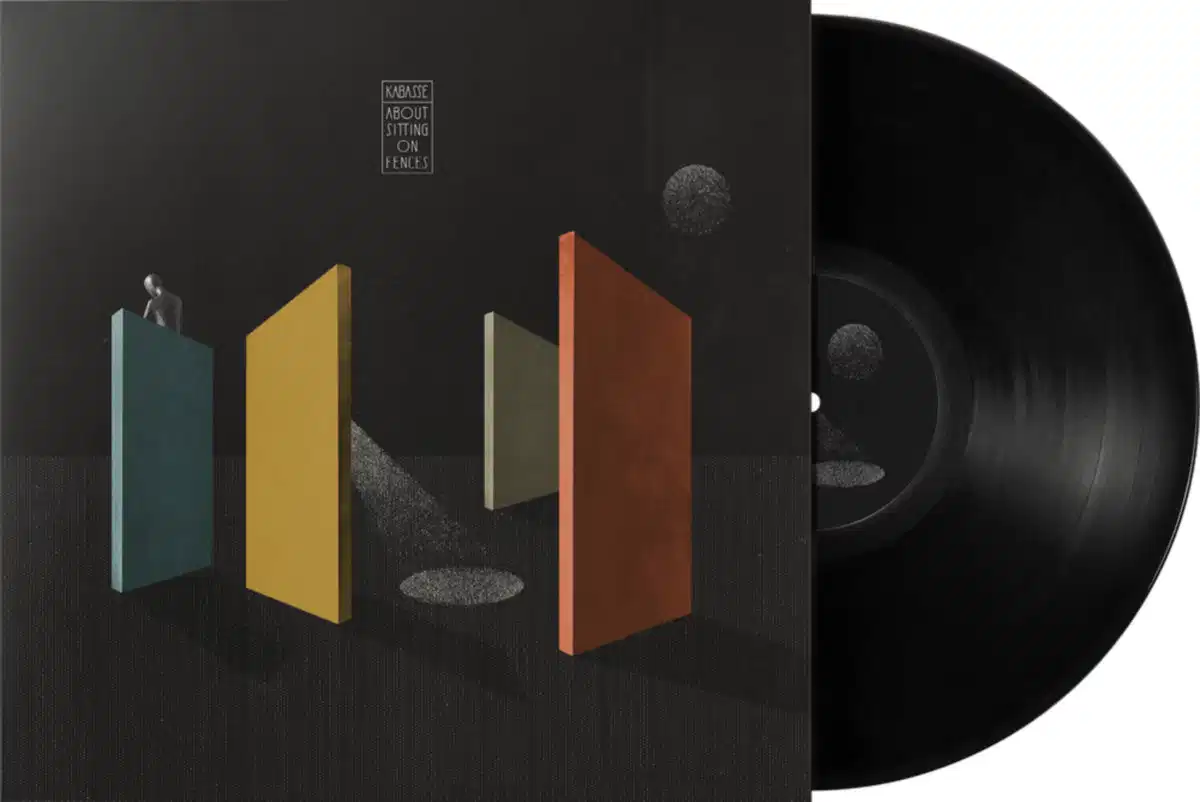
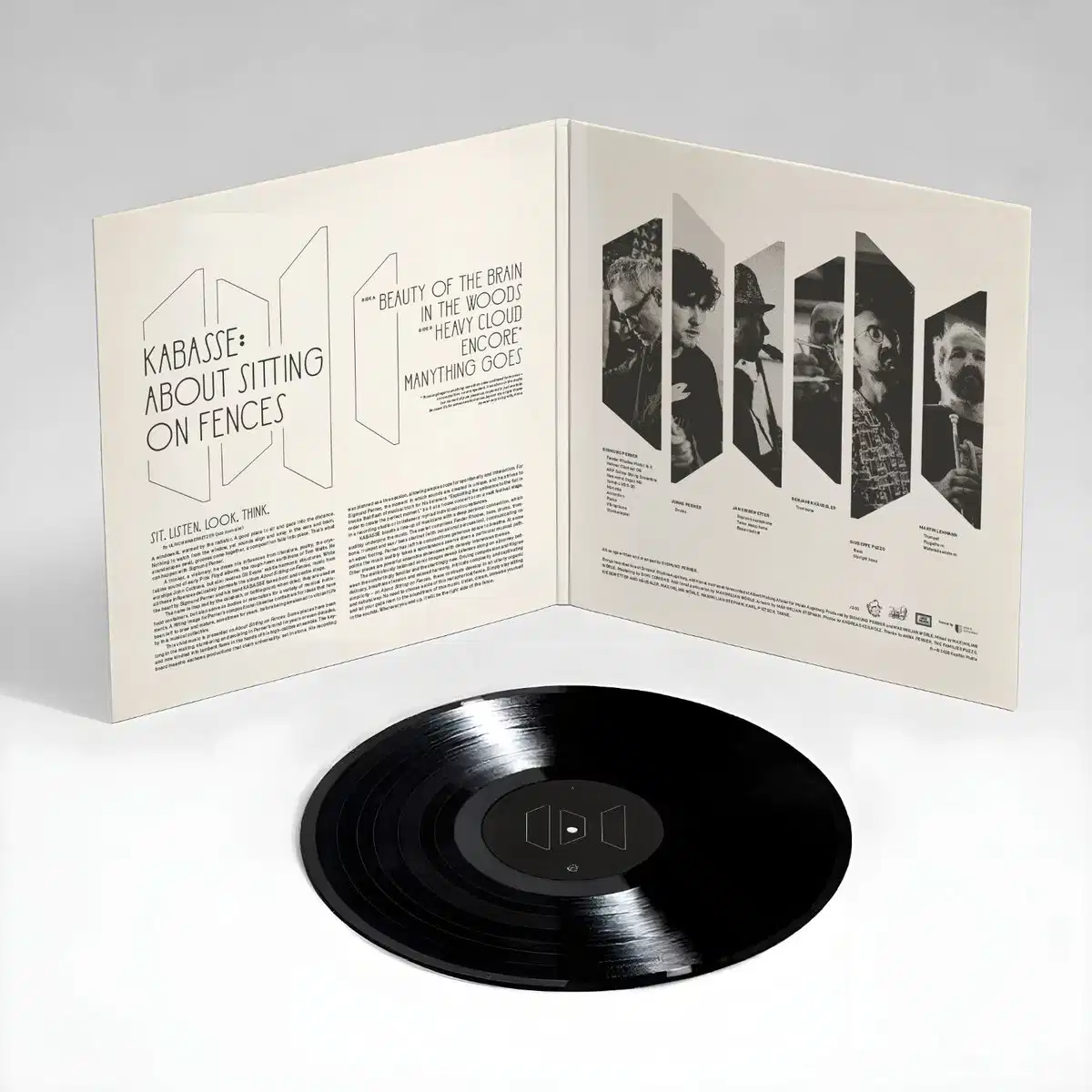
Not every tune arrived so instinctively. Beauty of the Brain had its harmonies and opening section for some time, but something essential was missing—the piece was barely a draft.
The answer came through the drawings of Santiago Ramón y Cajal, the Spanish neuroscientist whose intricate illustrations of the nervous system are as much art as science. Perner saw them, and the middle section came to him whole. “Suddenly, everything made so much sense.”
He wasn't looking for it. He was simply watching.
It is a method more than a moment—one that runs through his creative process. “I think the album title, About Sitting on Fences, reflects my approach. Some creative people run for inspiration, but I prefer to sit and observe. I need an empty head so ideas can come in. I enjoy just sitting somewhere, watching people and what’s going on.”
In the end, the album doesn’t demand attention—it invites it. "I wanted a specific mixture between jazz and other influences—something more like musical landscapes. I’m not very keen on short, simple tracks. They can be great, but that’s not my creative strength. I’m more into complex, narrative music. That’s why the pieces became quite long, rich, and expansive. I wanted to create tracks that take the listener by the hand and guide them through these landscapes, letting them experience what they hear."
It asks for time, for stillness, for the willingness to sit and let things unfold. Just like the ideas that gave birth to it, the music doesn’t rush. It waits.
“Silence in music is a door opener. It creates tension. Sometimes, using silence to create curiosity is more powerful than making noise.”
The album was recorded live—musicians in a room, reacting in real time—and the process left its mark on every track. Not as imperfection, but as presence: the feeling that something is happening now, that the people playing are listening to each other, that the music could have gone another way, but it took this direction.
Encore is a good example, as it wasn’t written beforehand.
“We were in the studio recording live. We had some time left, and I wasn’t happy with one of the compositions. So I said, ‘Guys, let’s try something.’ I had some chords and gave them indications of what I would play on the piano so they could understand the whole picture. Then we pressed the record button, and the piece came out on the first take. That’s the version on the record.”
About Sitting on Fences by Kabasse is the sound of a man who knows that nothing transcendent emerges from the rush. It is the perfect soundtrack for a rainy Sunday, when you sit by the window staring outside, as lost thoughts and memories begin to return—and the scene slowly turns into a new world, shaped by a sonic landscape built by a sextet that turns freedom into rhythm.