
Muca & Roberto Menescal: A Mindset Called BELEZA
There are words and melodies we feel compelled to inhabit. It may be their rhythm, their sound, or the hidden cadence of their meaning. Sometimes, it is simply our inherent need to explain—or justify—our own reality. In this instance, it is a matter of roots: a single word becomes a world. It is a vessel that carries a nationality, the quiet celebration of existence, and the complex architecture of human relationships. As captured on the album cover, this is about diversity—not merely of instruments and voices, but of memories, feelings, and musical genres. These six letters, uttered millions of times across millions of different lives, have transcended their definition to become a mindset. What began as a linguistic resource has evolved into an atmosphere and, perhaps, your next favorite album: BELEZA.
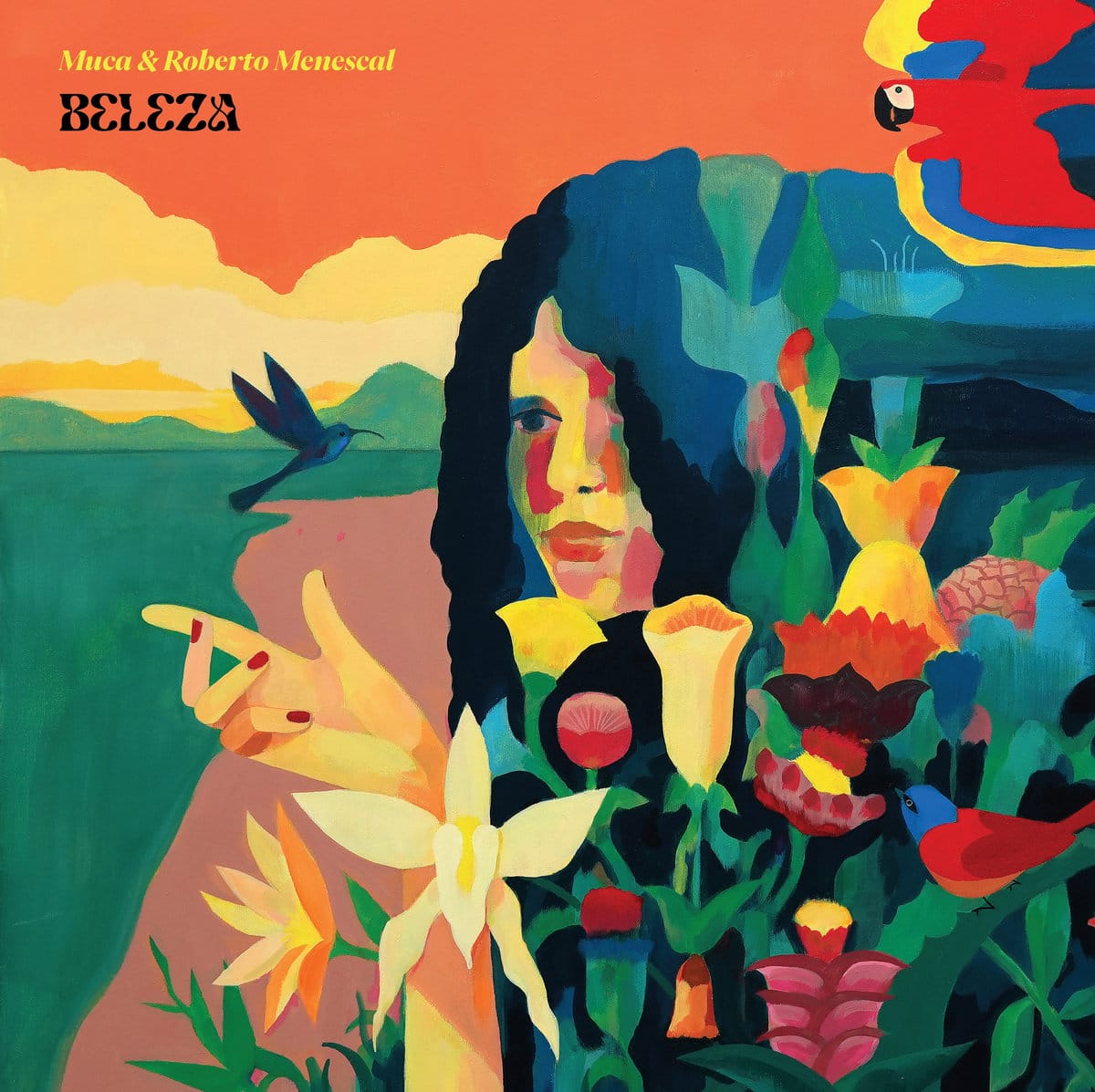
Beleza. In Portuguese, it is far more than a synonym for beauty; it is an expression of ease, openness to the world, and a deliberate, positive mindset. It is a state of being that transforms the mundane into something worth experiencing. Since February 2023, this idea has fueled a quiet, persistent longing: to bridge the distance between London's rhythmic pulse and Brazil. For Muca, the studio became a space where memory is translated into melody. "After living for several years in Europe, I started to miss Brazil more," he recalls, "and the best way to connect with my country was through music." In this state of creative yearning—in this pursuit of beleza—the vision finally crystallized: a record designed not merely to evoke home, but to reclaim it through music.
Beyond the title lies a journey of reconnection—an intergenerational dialogue between the guitars of Muca and Roberto Menescal. Separated from his hometown of São Paulo by thousands of miles, Muca found himself working alongside one of the architects of bossa nova, transforming a personal longing into a shared musical conversation.
"As a person, a musician, and a producer, I can divide my life into before and after meeting Roberto Menescal," Muca shares. "The first thing I learned from him—who was 84 when we met—was a profound life lesson. I approached him after a gig at a small jazz venue in London. After a few conversations, I discovered he was still open to new projects: he wants to remain active, driven by an enduring curiosity whenever someone presents a good idea. To have worked in music professionally for sixty years and still maintain that level of openness? That is an incredible learning curve."
Four years after that initial encounter, it became clear that the lessons were only the starting point. For both Muca and Menescal, mastery lies in the willingness to remain curious. "I’ve always had this idea that in music, you should be like in the water, where you are almost losing your footing and balance. That is where something magical happens. If it’s too chaotic, it’s not good either; but if it’s too safe, you are not going to create something truly special."
If water represents the risk necessary to create, the process of BELEZA became his deepest immersion. From the beginning, Muca set himself an ambitious challenge: twelve songs, each anchored by a different voice. "Imagine the challenge of bringing together an album with four different lyric writers and 12 different singers—how do you make it sound cohesive? It was pretty hard, but I think it worked out really well."
Achieving that cohesion, however, required more than musical intuition; it demanded careful design. Muca experiences composition in deeply sensory terms. "Sometimes, when listening to music, people can feel colors," he explains. "In my case, I can listen to a track and feel the temperature. I can feel that a sound evokes a gray, slightly rainy, cold afternoon, or sometimes something very blue, breezy, and summery."
By treating each track as a study—like a painter's preparatory sketch—he shaped every song as a complete musical journey. "Each track became a narrative arc, with an intentional intro, development, and resolution." That approach to storytelling was shaped by the years he spent in Europe. While the record is deeply rooted in the rhythmic pulse of Brazil, Muca layered these traditions with the sonic palette of contemporary British jazz, folk, and electronica.
"I wanted to make an album that sounds unique without being pretentious," Muca says. He knew from the outset that the project required a balance to mirror his own life: twelve songs, perfectly split between six in English and six in Portuguese, each anchored by a distinct female voice.
Beyond the artistic vision came the logistical challenge of bringing it to life. When Muca first shared his vision of working with twelve different singers, Menescal didn't mince words: "Man, you're crazy. Are you sure you want to do an album with 12 different singers?" It was a valid assessment. Executing BELEZA meant managing twelve distinct creative orbits: twelve contracts, twelve back-and-forth email chains, and twelve unique recording sessions spanning continents.
The challenge extended well beyond the recording sessions. Finding the right voices became one of the most demanding parts of the project. "How were we going to find those singers?" Muca reflects. "I discovered new artists I had never heard of before because I was forced to dig deep. I listened to about 200 artists during the process."
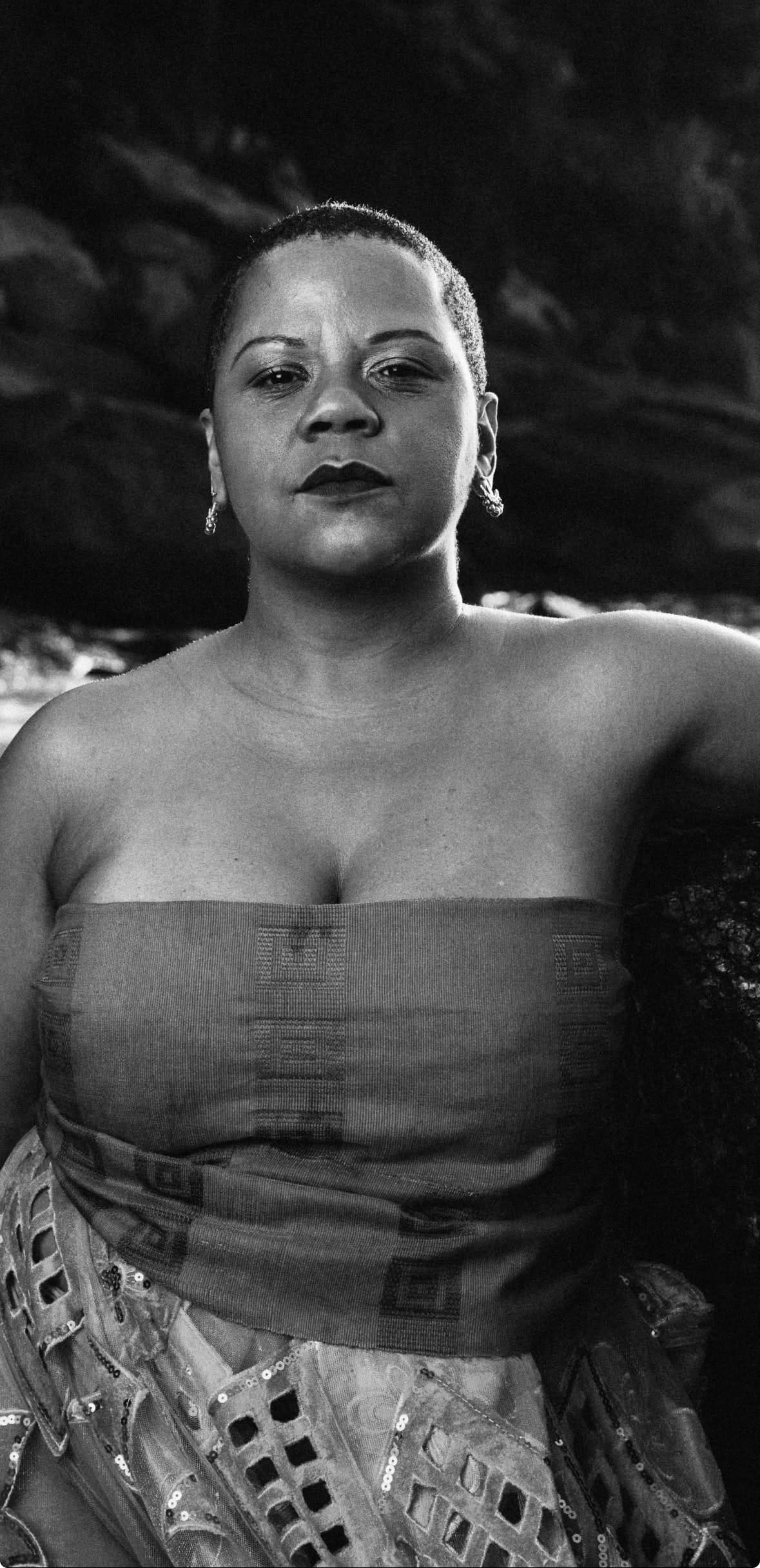

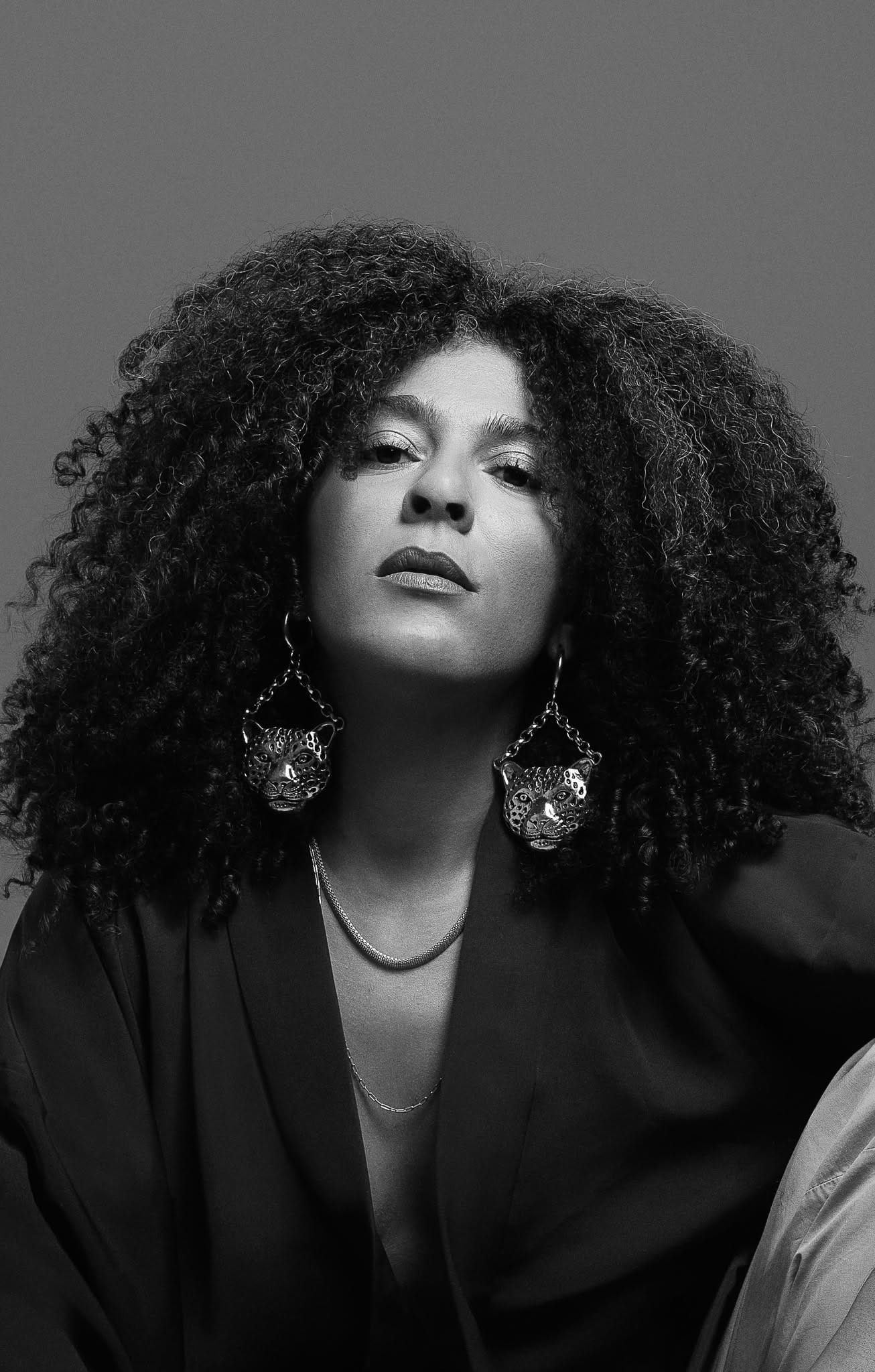

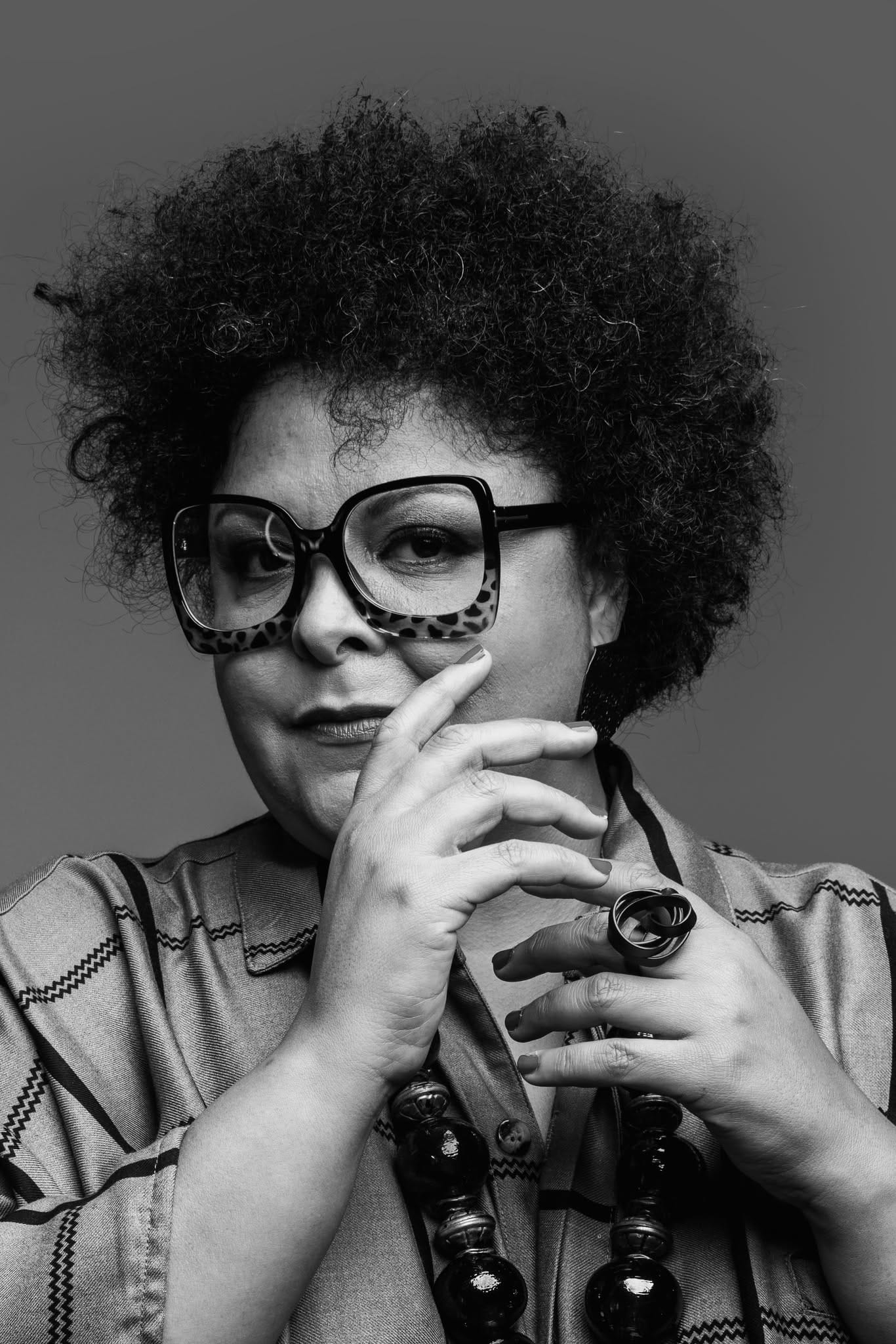
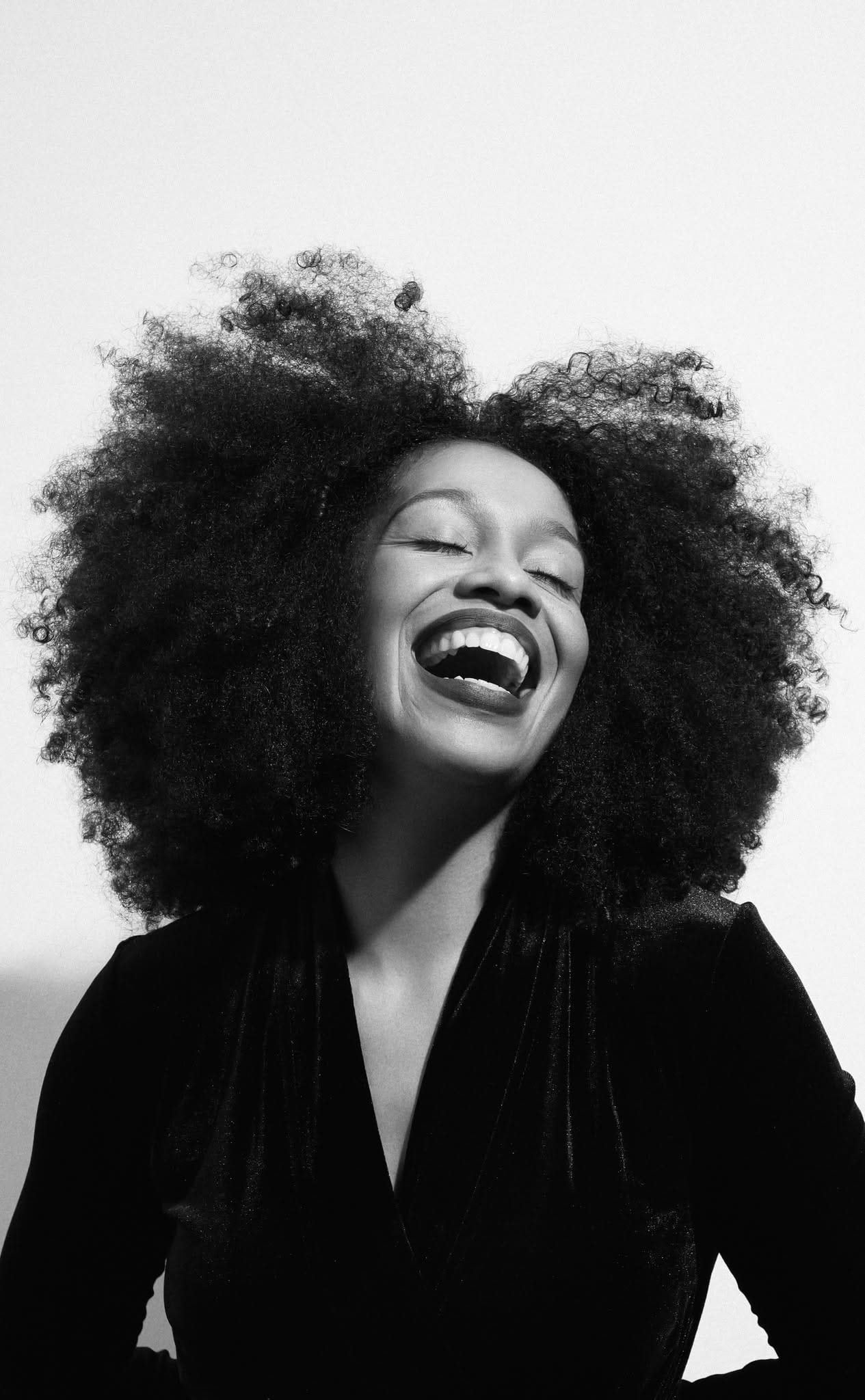
The voices behind the Portuguese sessions: Ilessi, Mirella Costa, Josyara, Joia Luz, Fabiana Cozza, and Amanda Maria
The search wasn't just about proficiency; it was about finding artists who could honor tradition while embracing the outward-looking spirit Muca and Menescal envisioned.
This balance between structure and instinct is deeply rooted in Muca’s own evolution as a guitarist. His foundation began with the discipline of classical training at seventeen. "Everything was so meticulous," he reflects, "with exercises that you must repeat over and over. You must have a strong mindset to practice for hours if you want to dominate the instrument."
Yet, over time, Muca has gravitated away from the purely mechanical toward a more intuitive approach. "In my case, I feel more connected with the ethereal than with mechanical skills," he explains. "I love to play the guitar without thinking; it’s like the ideas come from somewhere else. As human beings, we rationalize, but if you open yourself, you can capture those ideas."
As a guitarist, that philosophy translates into playing that privileges melody, atmosphere, and narrative over virtuosity. His work on BELEZA—particularly the interplay with Roberto Menescal’s acoustic guitar—highlights this approach. "I haven't told anyone this yet, but the album contains about eight guitar solos, and none of them are a pretentious 'hey, I'm going to solo' moment. They are simply part of the narrative." By focusing on ambient textures and melodic resonance rather than speed, Muca has crafted an album where the guitar serves the story, seamlessly blending his own contemporary explorations with the poetic bossa nova language of his mentor.
"This capacity to let the guitar 'breathe'—to know when to step back and let the silence speak—is something I’ve had to learn." That search for balance extended beyond the guitar; it became part of the album's bilingual identity. "I wanted the album to be a mirror of my own life: the Portuguese sessions connect with my roots, while the English ones are a bridge toward the reality I live in today."
With the concept in place, the next challenge was finding voices that could inhabit it. "I wanted artists who didn't just master the language, but understood the emotional landscape I was aiming for." The search led Muca to artists he might never have encountered otherwise.
"Being a producer helped me look at a singer and instinctively know which track would fit her voice perfectly. For example, Liana Flores was the very last singer to join the album. I had a specific track that I felt was very nice and important. She appeared during my research, and when I listened to her, I thought, 'Wow, this girl is really good.' Then I found out she has Brazilian roots, which was the icing on the cake. Her mother is Brazilian, but she was born and educated in England. She represents exactly the kind of connection I wanted to make."
That same openness shaped his collaboration with Alice SK. "She originally sent vocals for one of the tracks, but I wanted her to write more lyrics for the album as well. I think it's really cool to open yourself up to that kind of collaboration." As Muca puts it, "I wasn't just looking for singers to fill slots. I was looking for partners. Each voice had to contribute a new narrative to the sonic mosaic I was constructing, ensuring that every track felt like a natural extension of the music itself."



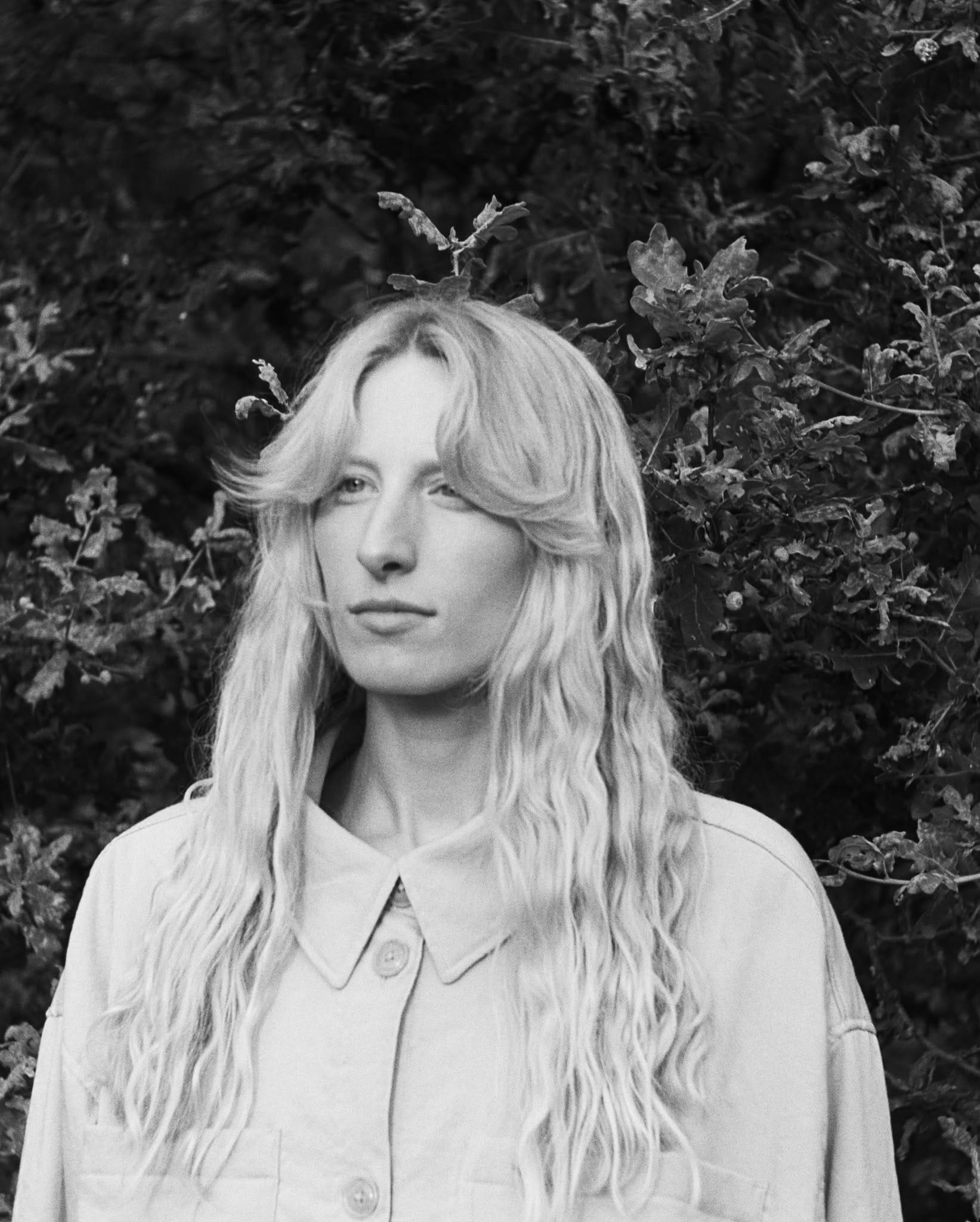
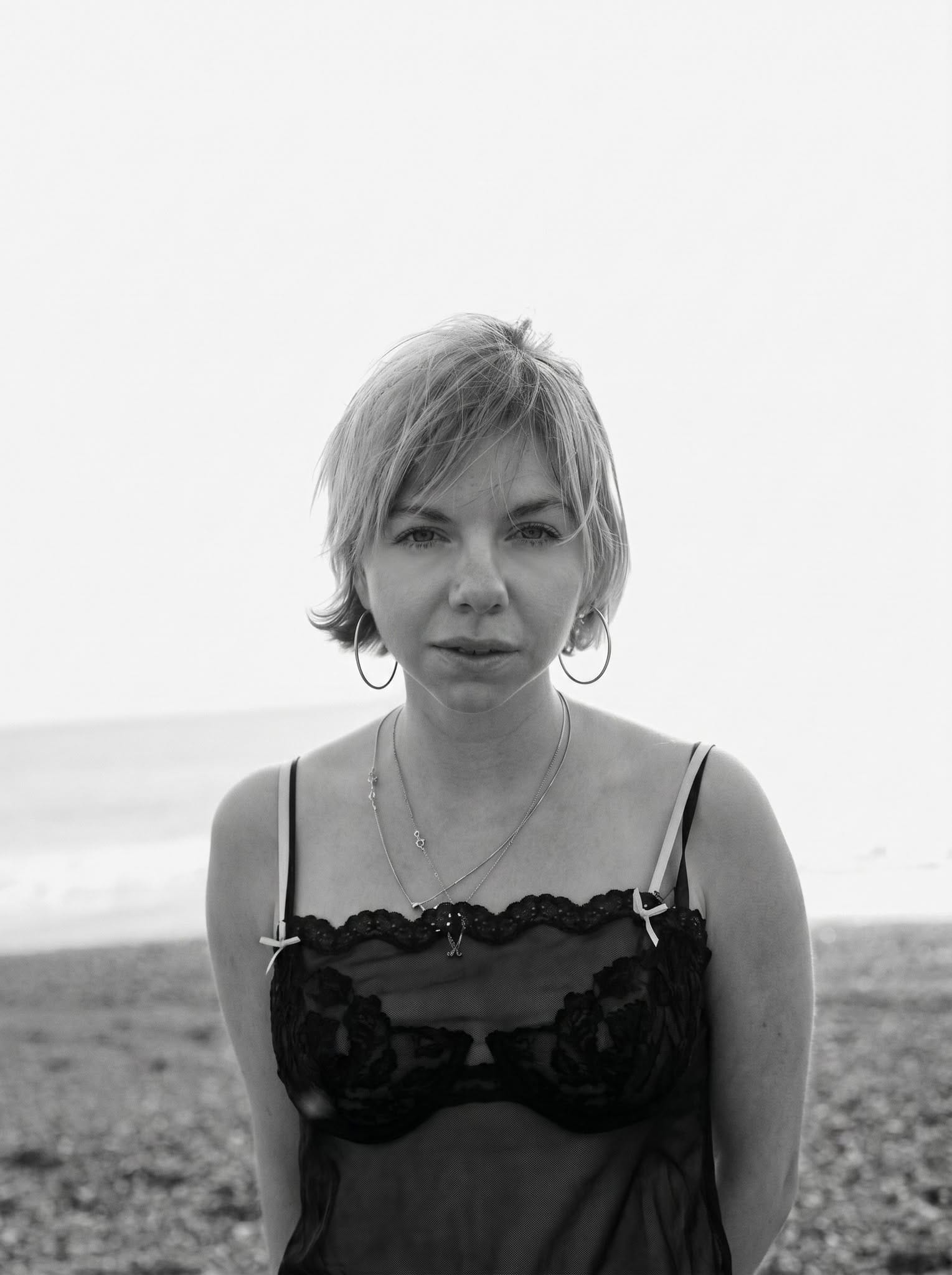

The voices behind the English sessions: Liana Flores, Sahra, anaiis, Sofia Grant, Alice SK, and Heidi Vogel
Ultimately, BELEZA became more than a word; it became a meeting place between two generations. More than an album, it stands as a testament to the power of community—a space where tradition and modernity, discipline and ethereal freedom, coexist in harmony. Whether in Portuguese or English, BELEZA remains what it has always been: a feeling.