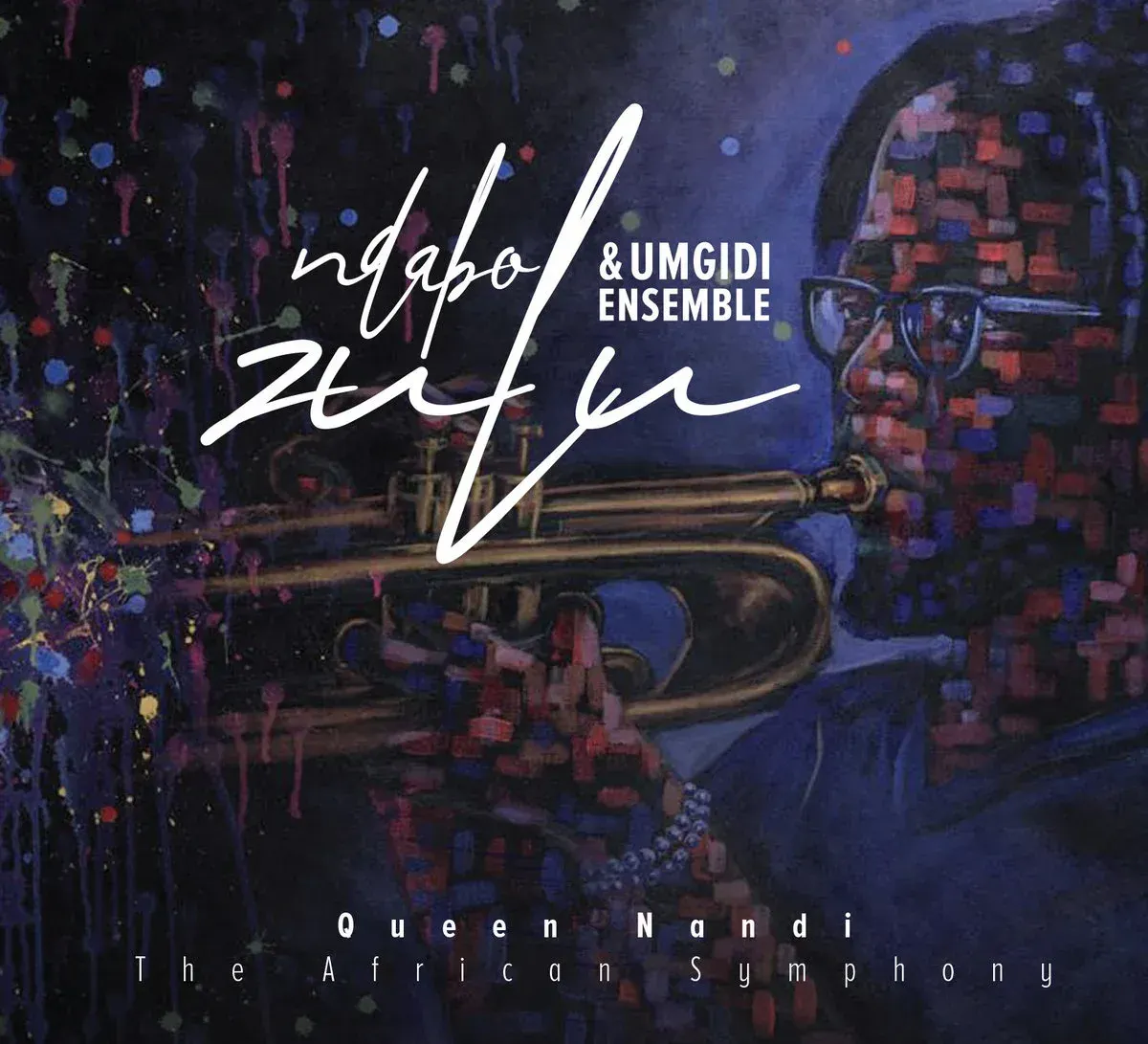
Queen Nandi: The African Symphony – Ndabo Zulu & Umgidi Ensemble
The history of a nation can also be heard in the music its people have carried through generations. South African trumpeter Ndabo Zulu found in Nandi kaBhebhe, mother of King Shaka Zulu, a way to recover a memory long overshadowed by narratives of conquest and power. Queen Nandi: The African Symphony, recorded with the Umgidi Ensemble, grew out of a desire to listen to the past from a different perspective. In celebrating one woman's life, the music opens a broader reflection on identity, heritage, and the many ways history is passed from one generation to the next.
Mbuso Khoza opens “Umgidi 1st Mov” with a song of gratitude to the woman who gave birth to one of the defining figures in Zulu history. Around his voice, percussion, horns, and other singers create a musical space where African oral traditions meet orchestral composition and jazz improvisation. The music moves with a collective energy reminiscent of a communal celebration. Every contribution draws its meaning from the others, while rhythm becomes something greater than a musical foundation: a shared expression of belonging.
Pianist Nduduzo Makhathini and vocalist Zoë Modiga bring further depth to an ensemble conceived as a meeting place for different generations, musical languages, and ways of knowing. Zulu understands that tradition does not have to remain unchanged to retain its meaning. His trumpet joins a conversation in which ancestral songs, contemporary harmonies, and symphonic structures find ways to acknowledge one another without surrendering what makes each of them distinct.
At the heart of this music lies a deeply human intention: to restore a presence to those left outside the dominant accounts of history. Queen Nandi: The African Symphony invites us to hear the past through the voices that have kept it alive, to discover in song and improvisation a form of knowledge, and to recognize that a people's memory also belongs to those who, generation after generation, have found in music a way to preserve it.