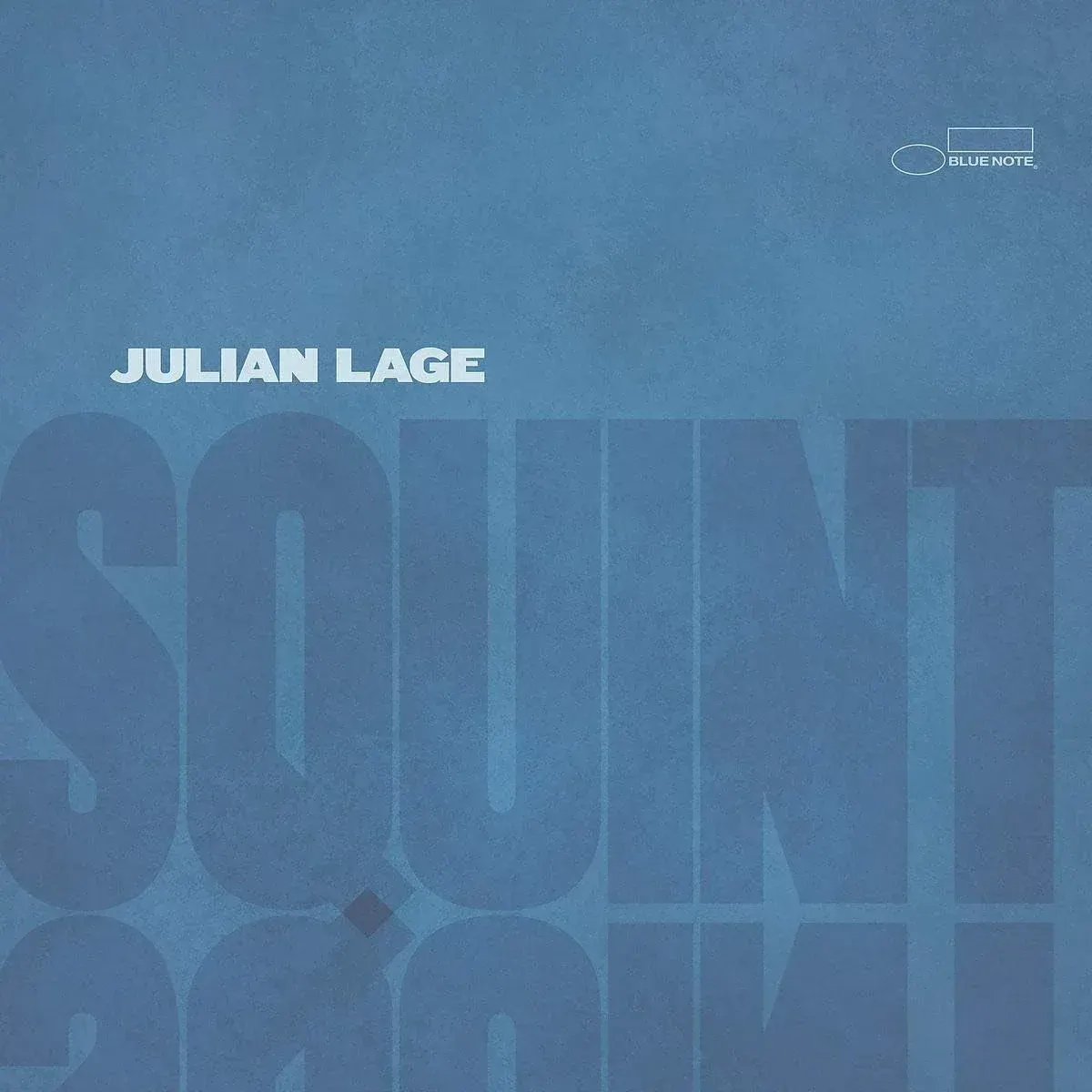
Squint – Julian Lage
Julian Lage’s guitar seems to know exactly where it is going until Jorge Roeder and Dave King step in and turn that certainty into a question. Squint works precisely within that tension: between the almost astonishing clarity with which Lage articulates a melody and the possibility that the trio might shift the pulse, fracture a structure, or find a way forward that none of them seemed to have anticipated.
“Etude” introduces that idea alone. Lage weaves open strings, double stops, and contrapuntal lines together without turning technical difficulty into the point of the piece. Everything remains exposed: there is no bass or drums behind which to hide a decision. The guitar establishes the album’s vocabulary before “Boo’s Blues” completely changes the setting. Roeder and King enter, swing takes hold, and music recognizably rooted in the blues begins to reveal small irregularities in the way it moves.
“Squint” takes that game much further. Lage built part of the composition by translating notes derived from a Billy Higgins solo onto the guitar, ultimately creating an imagined connection between Higgins’ sense of swing and Lennie Tristano. But what matters happens within the trio: King does not simply establish the time, Roeder does not merely hold it down, and Lage stops owning it. All three negotiate where the pulse lies while the melody retains a strange ease in moving forward.
When “Call of the Canyon” closes the album by returning to Billy Hill’s song, that breadth begins to make sense. Jazz, blues, and country have not functioned as separate destinations, but as materials the same trio can move through without losing its identity.
Squint ultimately finds something more difficult than virtuosity: three musicians capable of playing with extraordinary precision without shielding themselves from the unpredictable. Julian Lage could control practically every inch of this music. What makes the album fascinating is hearing him decide, again and again, not to.